Do you know that pulling feeling in your lower back after a long day at the desk, or the stiff feeling in the morning after a weekend in the garden? Back problems are among the most common health concerns in Germany, and many people eventually ask themselves what they can do to keep them from getting worse. The good news: prevention does not require expensive equipment or a lot of time. Often, a few small changes in your daily routine are enough.
This guide shows you simple movement and posture tips that you can put into practice at the office, around the house and in your free time. It also explains how to recognise when a visit to the doctor is advisable. An important point up front: a healthy back does not come from one perfect posture, but from variety, movement and strength.
Why does my back hurt so often, and what really helps?
The spine is designed for movement. Intervertebral discs, joints, muscles and ligaments work together to distribute loads and stabilise your upper body. Problems tend to arise when the body stays in one position for a long time or gets little challenge over weeks. Muscles that rarely work become weaker and tire more quickly. At the same time, areas that are constantly under the same strain tend to tighten up.
Research shows that for most non-specific back complaints, no single cause can be identified. What matters is the interplay of strain, recovery, movement and stress. That is why prevention recommendations focus on several small habits rather than one single trick.
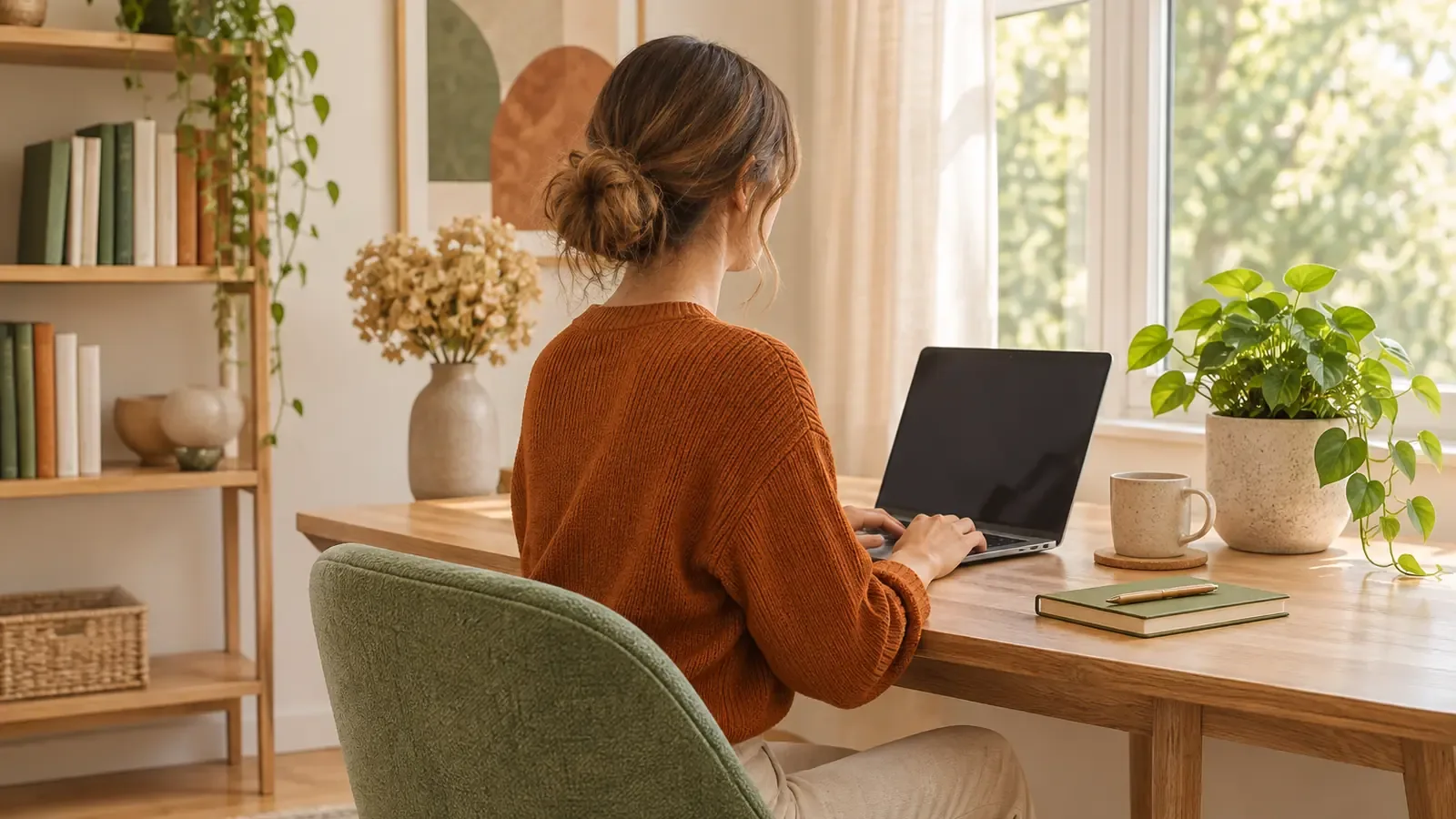
How can I sit at my desk in a back-friendly way?
Many people sit for many hours every day. The goal is less about finding the exact correct sitting posture and more about changing position and adjusting. The following points help many people at the office or at the kitchen table:
- Lift your pelvis: Sit far enough back in the chair that the backrest gently supports your lower back. A small rolled towel in the lumbar area can serve as a guide.
- Feet on the floor: Your feet rest flat on the floor, and your knees are roughly at hip height or slightly below it.
- Screen at eye level: The top edge of the screen should be roughly at eye level, so your neck is not permanently tilted forward.
- Relaxed elbows: Your arms rest loosely on the desk or armrests, and your shoulders stay down.
Changing position matters more than any setting. Stand up while you are on the phone, fetch a glass of water from the kitchen or walk briefly to the window. A standing desk can also add variety to your day, but it should not become a new permanent position.
Posture is not everything
Some people try hard to hold a „perfect“ posture. This is tiring and often not very helpful. Your body likes movement. A slightly different sitting position after a few minutes is therefore healthier than a rigid, correct-looking posture held for two hours.
Which movements are good for my back in daily life?
German expert bodies recommend that adults be physically active regularly, for example 150 to 300 minutes of moderate activity per week, plus strength exercises for the large muscle groups on at least two days. For your back, activities that combine endurance, flexibility and strength are especially suitable:
- Brisk walking: It promotes circulation in the intervertebral discs and loosens the muscles.
- Swimming or cycling: Both are gentle on the joints and train the trunk without strong impact.
- Strength training: Exercises for the back, abdominal and gluteal muscles help stabilise the spine.
- Stretching and mobility work: Gentle movements for the hips, the thoracic spine and the shoulders keep your upper body mobile.
The evidence for individual exercises varies. What is well supported is that regular training adapted to your fitness level can reduce the risk of recurring back complaints. The specific exercise chosen seems less decisive, as long as it is done regularly and with enjoyment.
How do I lift and carry loads correctly?
When lifting boxes, water crates or shopping bags, many people unknowingly put their back under strain. These basic rules can help:
- Stand close to the load with a stable stance, feet about hip-width apart.
- Bend your knees and hips instead of bending forward from your back.
- Keep the load close to your body. The farther it is from your body, the greater the leverage on your lower back.
- Avoid jerky twisting movements. Turn with your feet rather than with your upper body.
- Divide heavy loads, for example two smaller bags instead of one large one.
Which small exercises can I fit into my day?
If you do not have time for a long workout, short sessions can still make a difference. Simple exercises you can do anytime have proven useful, for example while brushing your teeth or during a commercial break:
- Cat-cow: On all fours, alternate between rounding your back and letting it sink into a gentle hollow. This moves the spine softly.
- Pelvic tilt: Lying on your back with your knees bent, gently lift your pelvis and lower it again.
- Bridge: Lying on your back, lift your pelvis, squeeze your buttocks and hold briefly. This strengthens the glutes and the back of the thighs.
- Shoulder circles and chest opener: Slowly roll your shoulders and clasp your hands behind your back to open the chest.
For all exercises, move calmly and keep breathing. If you feel pain during an exercise, make the movement smaller or stop.
What can I do concretely in everyday life?
Here is a selection of practical tips that are easy to put into practice:
- Set a reminder on your phone or watch to prompt a short movement break every one to two hours.
- Park a little farther away or get off the bus one stop early to walk more steps.
- Use phone calls as an opportunity to walk around the room.
- Choose a mattress and pillow that feel comfortable to you and keep your body in a relaxed line.
- When ironing or washing dishes, switch your standing leg now and then and rest one foot on a small raised surface.
- Carry backpacks on both shoulders and make sure the weight is not too heavy.
- Stay as active as possible even when you have back complaints. Prolonged bed rest usually slows recovery.
Do stress and sleep play a role?
Yes, and this is often underestimated. Ongoing stress can keep the muscles tense, and lack of sleep can make pain feel stronger. Relaxation techniques such as breathing exercises, progressive muscle relaxation or a walk after work can help release tension. If you sleep poorly, pay attention to a quiet sleeping environment, regular times for going to bed and getting up, and a relaxed evening.
When should I seek medical advice?
Most acute back complaints improve within a few weeks on their own if you stay active. Still, there are warning signs that call for prompt medical advice: numbness or paralysis in a leg, difficulty urinating or having bowel movements, fever together with back pain, severe pain at night that does not ease, or complaints after an accident. Medical clarification is also worthwhile if pain lasts longer than a few weeks or keeps coming back. Your family doctor is the first point of contact.
Key takeaways
- Regular movement and varied everyday activity are the most important building blocks for preventing back pain.
- The best posture is the one you change often; staying still while sitting or standing stresses your back more than switching between positions.
- Strong core and gluteal muscles support your spine in daily life, and even short exercises during the day can help.
- When lifting and carrying, keep the load close to your body and use the strength of your legs.
- Numbness radiating into the legs, paralysis, fever or back pain after an accident are reasons to seek medical advice promptly.
Frequently asked questions
How often should I move when sitting?
Many recommendations suggest changing position about every 30 to 60 minutes. Even a short stand-up, a walk or a stretch can help. What matters most is doing it regularly throughout the day.
Does a standing desk help with back pain?
A standing desk can make your posture more varied if you switch between sitting and standing. Standing for long periods without breaks is also straining for the back, however. The switching is the real benefit.
Which sport is best for a healthy back?
A sport you enjoy and can practise regularly is usually the best choice. Swimming, cycling, walking and strength training are considered well suited. If you already have complaints, a specialist can advise you on the right choice.
Can I exercise if I have back pain?
For most non-specific back pain, moderate movement is helpful and sensible. Severe pain, neurological symptoms or fresh injuries should be checked by a doctor first. Adjust the intensity and listen to your body.