The diagnosis of cancer frightens many people, and the question of whether you can do anything yourself occupies many minds in everyday life. The good news first: a considerable part of cancers is linked to factors that can be changed. These include smoking, alcohol, excess weight, lack of physical activity and diet. Taking part in early detection examinations also plays an important role.
A realistic expectation is important here. No one can rule out cancer completely, and even people who live very healthily sometimes develop it. Genes, age and chance also play a role. A healthy lifestyle is therefore not a guarantee, but a way to improve your chances step by step.
In this article you will learn which risk factors are best supported by evidence, what you can concretely do in everyday life and why check-ups are so valuable. We draw on guidelines and recommendations from professional societies as well as on review articles on the subject.
Which lifestyle factors increase cancer risk the most?
Experts have for years named a number of factors that are associated with an increased cancer risk. Some of them have been studied particularly well:
- Tobacco smoke is the best-known and one of the strongest avoidable risk factors. It is linked to several types of cancer, above all lung cancer, but also to cancers of the mouth and throat, the oesophagus, the bladder and other organs.
- Alcohol is considered carcinogenic by major expert bodies. The risk rises with the amount, and even small amounts are not completely risk-free.
- Overweight and obesity are associated with a higher risk of various cancers, including colon cancer, breast cancer (after menopause), endometrial cancer and kidney cancer.
- Lack of physical activity is also linked to an increased risk for some cancers, particularly colon cancer.
- Unprotected sun exposure and sunbeds significantly increase the risk of skin cancer.
- Infections, for example with the human papillomavirus (HPV) or hepatitis viruses, can also promote cancer. There are, in some cases, vaccinations and treatments against them.
It helps to be aware that these factors often act together. Someone who smokes and drinks a lot of alcohol has a different risk profile from someone who avoids both. This interplay shows that small changes in several areas can make sense.
Why is quitting smoking so important?
Smoking is one of the few factors whose influence on cancer risk is clearly proven and very large. The substances in tobacco smoke damage the genetic material of cells, and this damage can accumulate over years. That is why the time after quitting matters so much.
Research shows that the risk drops significantly after quitting, and the earlier you stop, the better. However, a full return to the level of non-smokers takes a long time, and for some cancers part of the increased risk remains for years. Still, quitting is worthwhile at any age.
Practical tips for quitting smoking
- Set a concrete date and tell family or friends so that you have support.
- Note the situations in which you smoke most often, for example with coffee or after meals, and plan alternatives.
- Use free counselling services, for example those of the Federal Centre for Health Education (BZgA, Bundeszentrale für gesundheitliche Aufklärung) or your health insurance provider.
- Talk with your doctor about support options. Relapses are common and are not a sign of failure.
How much alcohol is still harmless?
Many people believe that a glass of wine in the evening is harmless or even healthy. The current state of research sees it differently. The World Health Organization (WHO) and several expert bodies emphasise that alcohol increases cancer risk and that there is no amount at which the risk is zero. The link applies to breast, colon, oesophageal, liver, and mouth and throat cancers, among others.
This does not mean you must never have another glass. But it does mean that the less alcohol you drink, the lower your risk. Reducing your consumption therefore lowers a factor you can influence.
Ideas that fit into everyday life
- Set alcohol-free days, for example two or three per week.
- Do not automatically reach for a drink at home after work; look for alternatives that you enjoy.
- At celebrations, take breaks between glasses and drink enough water.
Does physical activity really help against cancer?
Physical activity does not work like a protective shield. However, according to current data it is associated with a lower risk for several cancers, particularly colon and breast cancer. Part of this effect is likely due to body weight, and part to direct effects on metabolism and the immune system. The exact mechanisms are not yet fully understood.
The World Health Organization’s recommendations for adults are easy to understand: per week, aim for at least 150 to 300 minutes of moderate aerobic activity or 75 to 150 minutes of vigorous activity, plus strength training on two or more days. If you are not yet starting, you do not have to reach these values right away. Small steps count.
How to get started
- Walk or cycle short distances instead of taking the car or the bus.
- Stand up during phone calls or take a short movement break every half hour.
- Find an activity you enjoy, such as swimming, dancing or gardening.
What role does diet play?
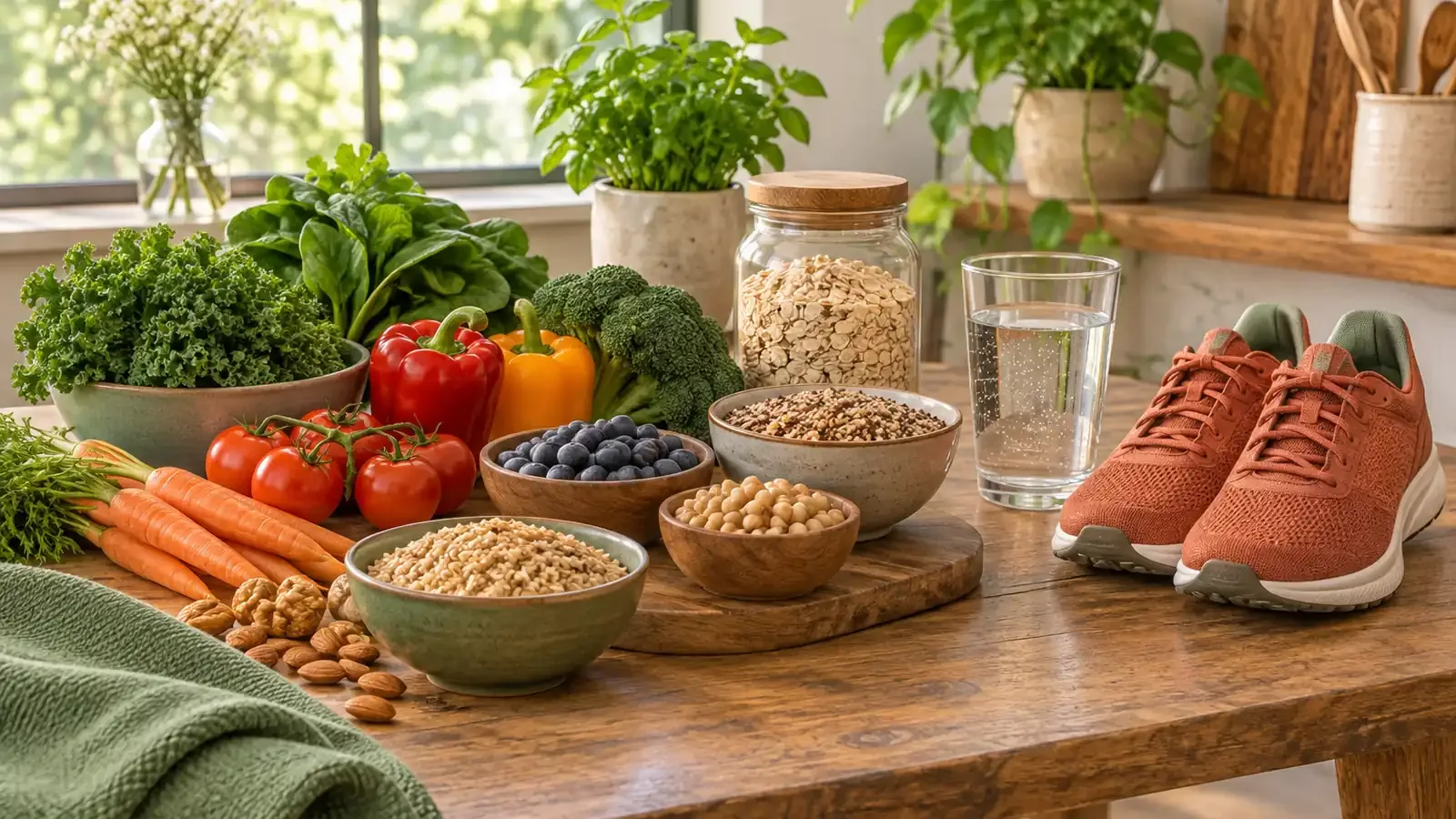
When it comes to diet, the evidence is more nuanced than for smoking or alcohol. Large review articles show that a diet rich in vegetables, legumes, wholegrain products and fruit is generally associated with a lower cancer risk. For individual foods or nutrients, however, the results are often contradictory. The German Cancer Research Center (Deutsches Krebsforschungszentrum) and the German Nutrition Society (DGE, Deutsche Gesellschaft für Ernährung) therefore recommend an overall balanced diet rather than single “superfoods”.
The link between processed meat and colon cancer is particularly clear: the International Agency for Research on Cancer has classified processed meat as carcinogenic. Red meat is considered probably carcinogenic, although this classification refers mainly to large amounts eaten. This is in line with the advice to eat sausage and meat in moderation.
Practical dietary tips
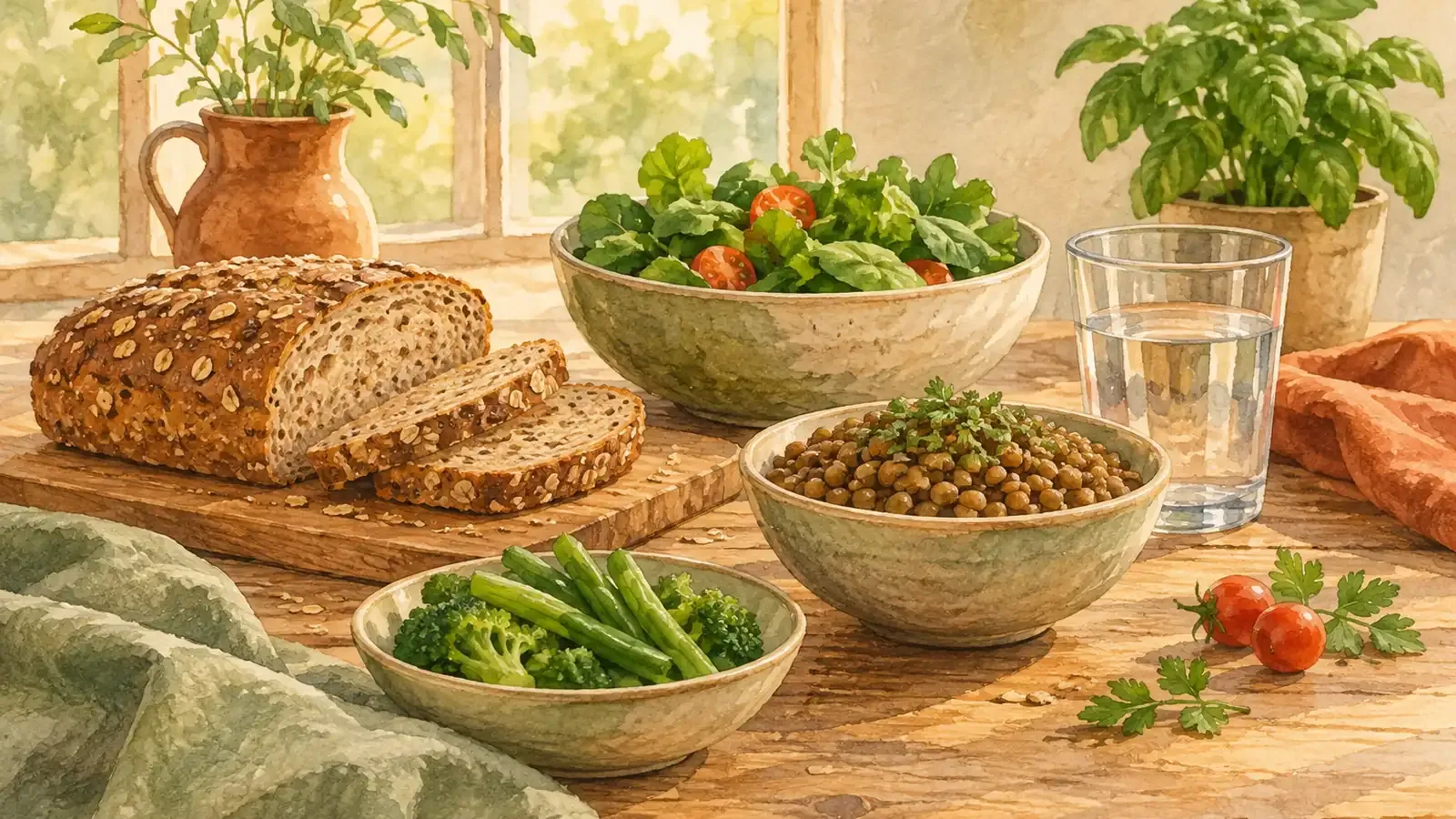
- Fill half of your plate with vegetables or salad.
- Choose wholegrain products and legumes such as lentils or beans more often.
- Cut back on processed meat such as deli meats and sausages, and generally eat smaller portions of meat.
- Avoid heavily sweetened drinks and frequent snacks where possible.
- If you are considering dietary supplements, talk to your doctor first. A balanced diet is usually the better foundation.
Which check-ups are available in Germany?
Lifestyle is one thing, early detection another. Many cancers develop over years before they cause symptoms. Certain examinations can detect changes early, sometimes even before cancer develops at all. Statutory health insurance funds in Germany offer, among others, the following services, which differ by age and sex:
- Colorectal cancer screening: from age 50, depending on the method, for example the faecal occult blood test or colonoscopy. Women and men are entitled to offers from age 50; men can additionally choose a colonoscopy from age 50.
- Skin cancer screening: every two years from age 35, as a full-body examination by dermatologists.
- Cervical cancer: an annual smear test from age 20, complemented by HPV tests in the current early detection programme.
- Breast cancer: mammography screening for women aged 50 to 69, plus a physical breast examination by gynaecologists.
- Prostate cancer: a statutory entitlement to early detection exists from age 45, with a medical consultation and information about benefits and drawbacks, as the PSA test is controversial.
These offers are reviewed regularly, and the exact age limits and intervals may change. It is best to ask your family doctor or check the German Cancer Information Service (Krebsinformationsdienst) of the German Cancer Research Center. There, the benefits and limits of examinations are explained in understandable terms. Note also that early detection does not mean that every abnormal finding is cancer. False alarms do occur, and this should be considered when you decide.
A practical plan: what you can do this week
Many good intentions fail because they are too big. A realistic start could look like this:
- Write down whether you smoke and how often you drink alcohol. Honesty is the first step.
- Set one alcohol-free day per week.
- Plan a brisk walk of about 20 to 30 minutes three times a week.
- Replace one snacking habit with fruit or vegetables.
- Check your screening appointments in your calendar and ask at your next doctor’s visit which examinations suit you.
Consistency matters more than perfection. Small steps that you can keep up over time often have more effect than big resolutions that disappear after a few weeks.
When should you seek medical advice?
If you notice changes that persist for more than a few weeks, such as unusual lumps, bleeding without an apparent cause, a persistent cough, difficulty swallowing, changes in moles or unintended weight loss, you should have them checked by a doctor promptly. Most causes are harmless, but only a medical examination can clarify this reliably. Your family doctor is the right first point of contact.
Key takeaways
- A large share of cancers is linked to factors you can influence, such as smoking, alcohol, excess weight, lack of physical activity and diet.
- Quitting smoking is one of the most effective steps to reduce your cancer risk, and it still pays off later in life.
- Drinking less alcohol or avoiding it lowers a known risk; for cancer, there is no completely risk-free amount.
- Regular physical activity, a healthy body weight and a plant-based diet are associated with a lower cancer risk, but they do not guarantee protection.
- Check-ups and early detection programmes can often find cancer at an early stage, when it is easier to treat.
Frequently asked questions
Can I rule out cancer completely by living a healthy lifestyle?
No, complete protection is not possible. Genes, age and chance also play a role. However, a healthy lifestyle can, according to current knowledge, noticeably reduce the risk.
Does it still make sense to quit smoking at 60?
Yes, quitting smoking brings health benefits even at an older age. The risk generally drops after stopping, although it can take a long time before it falls significantly. Medical counselling can help you plan the way.
Is wine in moderation healthy?
For cancer, there is currently no amount of alcohol that is considered completely risk-free. The risk rises with the amount consumed. If you want to lower your risk, drinking little or no alcohol is best.
From what age should I start colorectal cancer screening?
Statutory health insurance members in Germany are entitled to colorectal cancer screening offers from age 50. Your family doctor can help you choose the right method. If there is a family history of the disease, earlier examinations may be sensible.