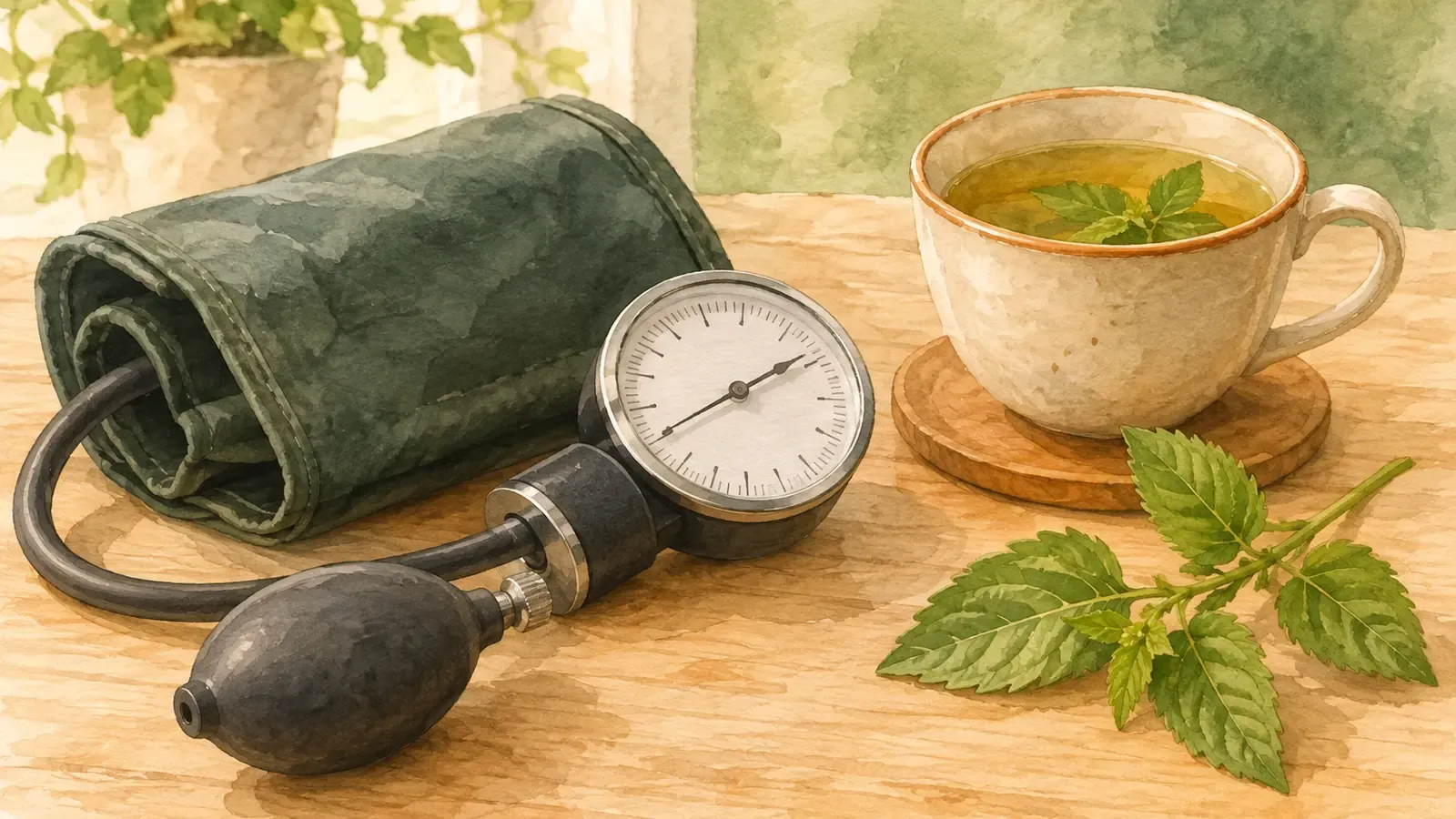
Maybe you saw a high reading on a blood pressure cuff, or your doctor told you your numbers are higher than they should be. Now you are probably wondering what you can do yourself. The good news: with high blood pressure, medically called hypertension, your daily routine plays a big role. Many of the levers you can pull are part of everyday life, and you do not have to overhaul your entire life to start.
High blood pressure is common, and it usually causes no symptoms. That is exactly why it often goes unnoticed for years. At the same time, persistently elevated blood pressure is one of the most important risk factors for heart attack, stroke and kidney damage. If you know your numbers and take active steps, you are protecting your heart, your blood vessels and your brain.
In this article, you will learn which lifestyle measures are backed by medical societies and studies, which myths you can safely let go of, and when you really need to see a doctor. One thing up front: lifestyle matters a lot, but it does not replace a medical evaluation.
What do the blood pressure numbers actually mean?
Blood pressure is measured in millimeters of mercury (mmHg) and comes as two numbers. The top number (systolic) measures the pressure when your heart contracts. The bottom number (diastolic) measures the pressure between heartbeats, when the heart is relaxing.
Major guidelines, including those from the American Heart Association and the American College of Cardiology, classify readings of 130/80 mmHg and above as hypertension in most adults. Which target applies to you depends on your age, existing conditions and overall risk. Talk with your doctor about your personal goal.
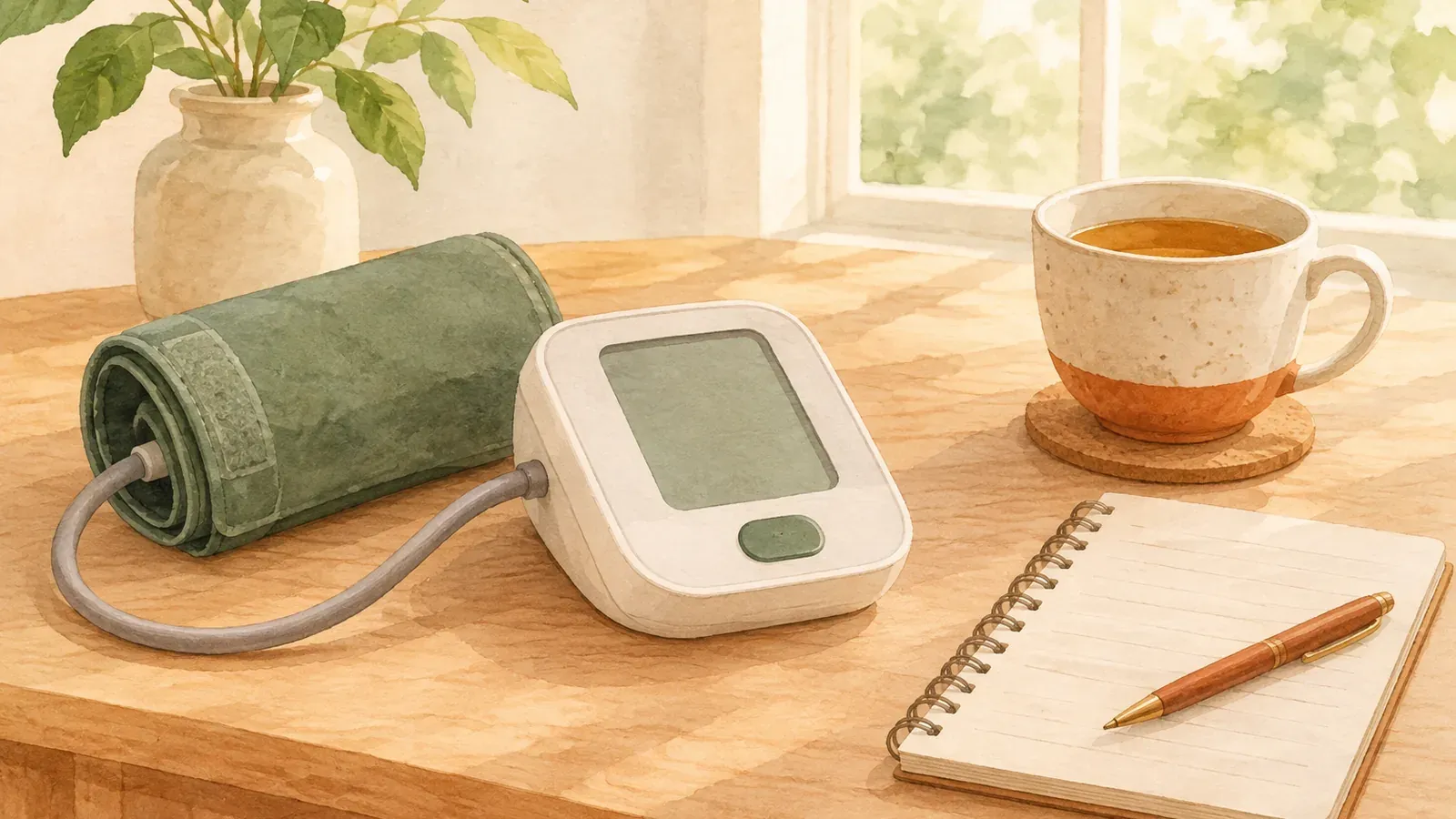
For reliable readings at home, measure at about the same time each day, after sitting quietly for five minutes, with your arm resting at heart level and without coffee or cigarettes beforehand. A single reading tells you little. Averages over several days are much more meaningful.
Does exercise really help lower blood pressure?
Yes, and the evidence is strong. Regular aerobic activity is one of the most effective lifestyle measures against high blood pressure. Major guidelines recommend aerobic exercise, such as brisk walking, cycling, swimming or fast walking, on most days of the week.
The principle behind it: over time, your heart works more efficiently, your blood vessels become more flexible, and your body handles stress better overall. How strong the effect is varies from person to person. On average, though, studies show that people with elevated blood pressure tend to benefit from regular training.
In practice, that means:
- Schedule brisk walking or cycling into your week, for example as your commute to work.
- You do not need to train for a marathon. Brisk walking at a pace where you can still hold a conversation counts.
- Strength exercises are a useful addition to aerobic training, but they should not be your only form of activity.
- If you have been fairly inactive, build up slowly and check with your doctor first, especially if your readings are very high.
How much salt is too much?
Sodium, the main component of table salt, has a significant effect on blood pressure. Many people eat far more salt than they realize, mostly through processed foods: bread, deli meats, cheese, frozen meals, snacks and sauces. Adding salt at the table is often only a small part of the total.
The American Heart Association recommends no more than 2,300 mg of sodium per day for most adults, with an ideal target of about 1,500 mg for many people, especially those with high blood pressure. The World Health Organization suggests less than 5 grams of salt per day, which is roughly 2,000 mg of sodium. Reducing sodium is one of the most effective dietary steps for people with high blood pressure.
Here is how to approach it practically:
- Read labels: check the sodium content per serving, and compare products within the same category.
- Cook more often from fresh ingredients, and use herbs, garlic, lemon and spices instead of salt.
- Cut back gradually. Your taste buds adjust to less salt within a few weeks.
- Watch out for bread, cheese and deli meats, which often hide a lot of sodium.
What role do weight and diet play?
Excess weight raises the risk of high blood pressure considerably. Even a modest weight loss can lower your readings, even if you have not yet reached a healthy weight. Guidelines emphasize that small steps count.
One eating pattern that has been well studied is the DASH diet (Dietary Approaches to Stop Hypertension), developed with research support from the U.S. National Institutes of Health. It emphasizes vegetables, fruits, whole grains, low-fat dairy and legumes, plus nuts, and limits saturated fat, added sugar and red meat. Studies on DASH were largely conducted in the United States and have been summarized in systematic reviews.
Alcohol matters too: regularly drinking heavily pushes blood pressure up. Medical societies therefore recommend keeping intake as low as possible. That does not mean you have to give up every drop, but a glass of wine every evening is not harmless when it becomes a habit.
Are there myths about high blood pressure?
A quick reality check helps:
- Myth: If you feel fine, you don’t have high blood pressure. Not true. High blood pressure usually causes no symptoms. A measurement is the only reliable way to know.
- Myth: Headaches reliably signal that your blood pressure is too high. Also not true. Very high readings can cause symptoms, but most people feel nothing.
- Myth: High blood pressure is just part of aging, and nothing can be done about it. Risk does rise with age, but exercise, weight and salt intake make a difference at any age.
- Myth: Blood pressure medication is addictive. Also not true. When prescribed, these medicines are taken long term to keep blood pressure under control, not because of dependence.
When is medical treatment necessary?
Lifestyle changes are the foundation, but for many people they are not enough on their own. Whether you need medication is decided by your doctor based on your overall cardiovascular risk, your blood pressure readings and any other conditions you have. If your blood pressure stays elevated despite lifestyle changes, it should be treated medically.
Practical tips for everyday life
- Check your blood pressure regularly and write down the numbers, ideally twice a day for a few days. Bring the log to your next appointment.
- Fit 20 to 30 minutes of brisk activity into your day, for example a walk after dinner.
- Swap packaged and frozen meals for home-cooked food, even if it is only two or three times a week.
- Season with herbs and spices instead of salt. Try lemon zest or smoked paprika.
- Set small goals for weight loss, such as cutting one bit of added fat or sugar per meal.
- Get enough sleep, and try to reduce stress with regular breaks built into your day.
- Cut back on alcohol, and on evenings when you would normally have a drink, reach for a non-alcoholic alternative.
Key takeaways
- High blood pressure (hypertension) usually causes no symptoms, so regular checks are worthwhile, ideally at home with a validated monitor.
- Lifestyle measures such as regular aerobic exercise, eating less sodium, maintaining a healthy weight and drinking alcohol in moderation can measurably lower blood pressure.
- Even if you do not need medication, these steps can significantly reduce your blood pressure, which protects your heart, brain and kidneys.
- Whether you need medication, and which kind, is always decided by your doctor based on your overall risk.
- Blood pressure that stays persistently elevated should be evaluated by a doctor, even if you feel healthy.
Frequently asked questions
At what reading is blood pressure considered too high?
Under current US guidelines, readings of 130/80 mmHg and above are generally classified as high blood pressure in adults. Whether your personal target should be lower depends on your age and existing conditions. Your doctor can help you set the right goal.
Can I control high blood pressure with exercise and diet alone?
With mildly elevated readings, a consistent lifestyle can make a real difference. For many people, however, it is not enough, and medication may be needed. Have your numbers checked regularly by your doctor.
How quickly does a lifestyle change affect blood pressure?
Some effects show up within a few weeks, while others take longer. The key is to keep the changes going, because the benefit lasts only as long as you do.
Is a home blood pressure monitor worth buying?
Yes. Readings at home often give a more realistic picture than a few measurements at the doctor’s office. Choose a validated device, and have it checked against your doctor’s equipment from time to time.