Does this sound familiar? You finish lunch, and two hours later your stomach is growling again. When you’re trying to change how you eat, hunger is one of the most common reasons plans fall apart. The good news is that not all foods are equally filling. Some offer a lot of volume for relatively few calories, and that’s exactly what you can lean on in everyday life.
This article explains which foods are especially filling, why they work, and how to build meals you actually enjoy. We’ll stick to what research and major nutrition organizations really support, and that’s not always as clear-cut as popular trends suggest.
First, a quick note: fullness is more than a feeling in your stomach. It comes from a mix of stomach filling, hormones, taste, and habits. Foods can help, but they don’t work in isolation.
Why do some foods keep you full longer?
Three qualities play a particularly big role:
- Energy density: How many calories are in a given weight of food? Vegetables and legumes provide a lot of bulk for relatively few calories. Oils, nuts, and sweets pack a lot of energy into a small amount.
- Fiber: These are the parts of plant foods your body can’t digest. Fiber absorbs water, expands in your stomach, and often slows digestion. The German Nutrition Society (DGE) recommends about 30 grams of fiber per day for adults.
- Protein: Protein is considered one of the most satisfying nutrients. Legumes provide plant-based protein along with their fiber.
An important point: research generally shows a link between fiber and fullness, but the effects differ from person to person. What’s most reliable is that high-fiber foods can lower the energy density of a meal without requiring you to go hungry.
Which foods are especially filling?
Vegetables and salads
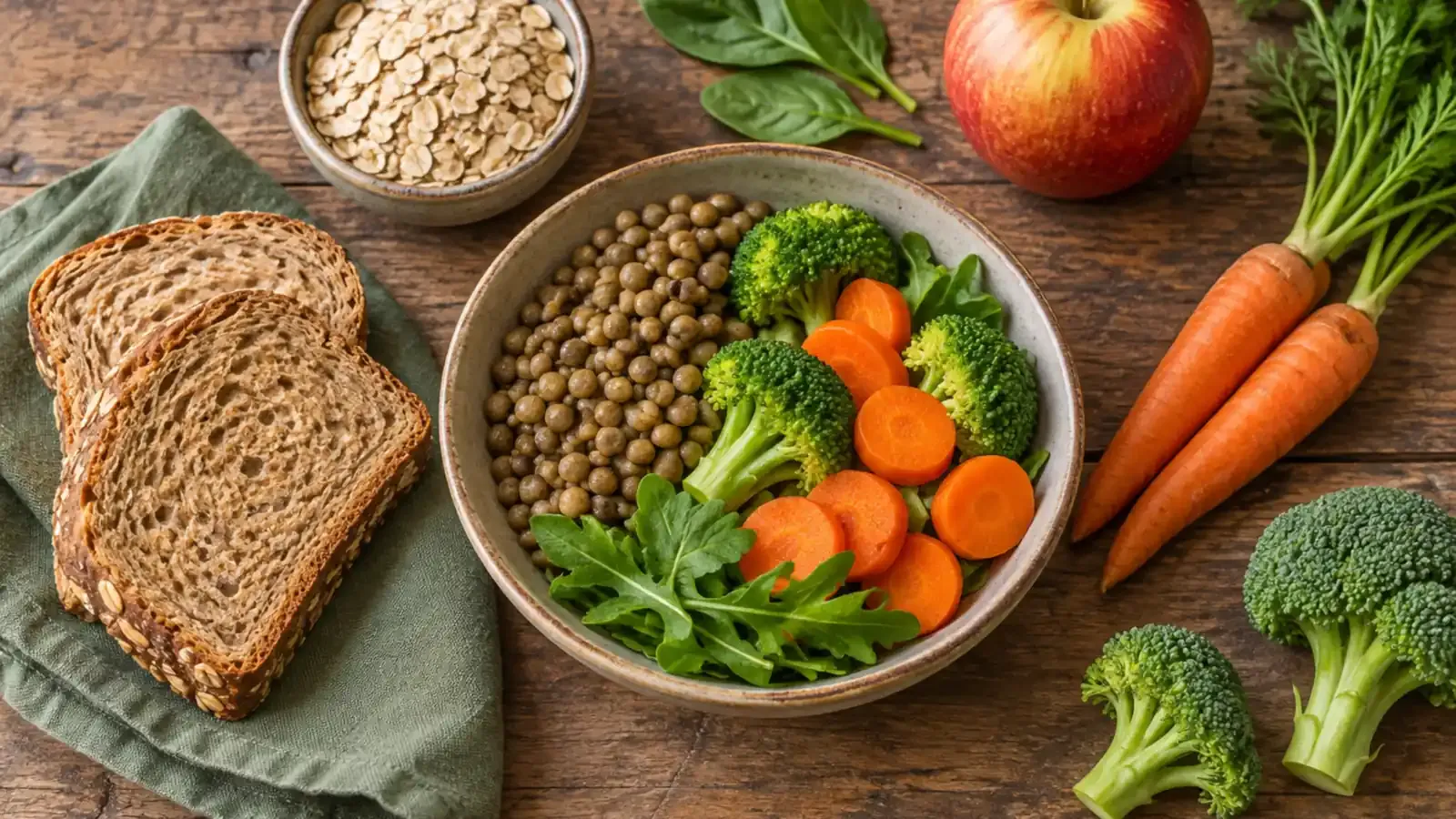
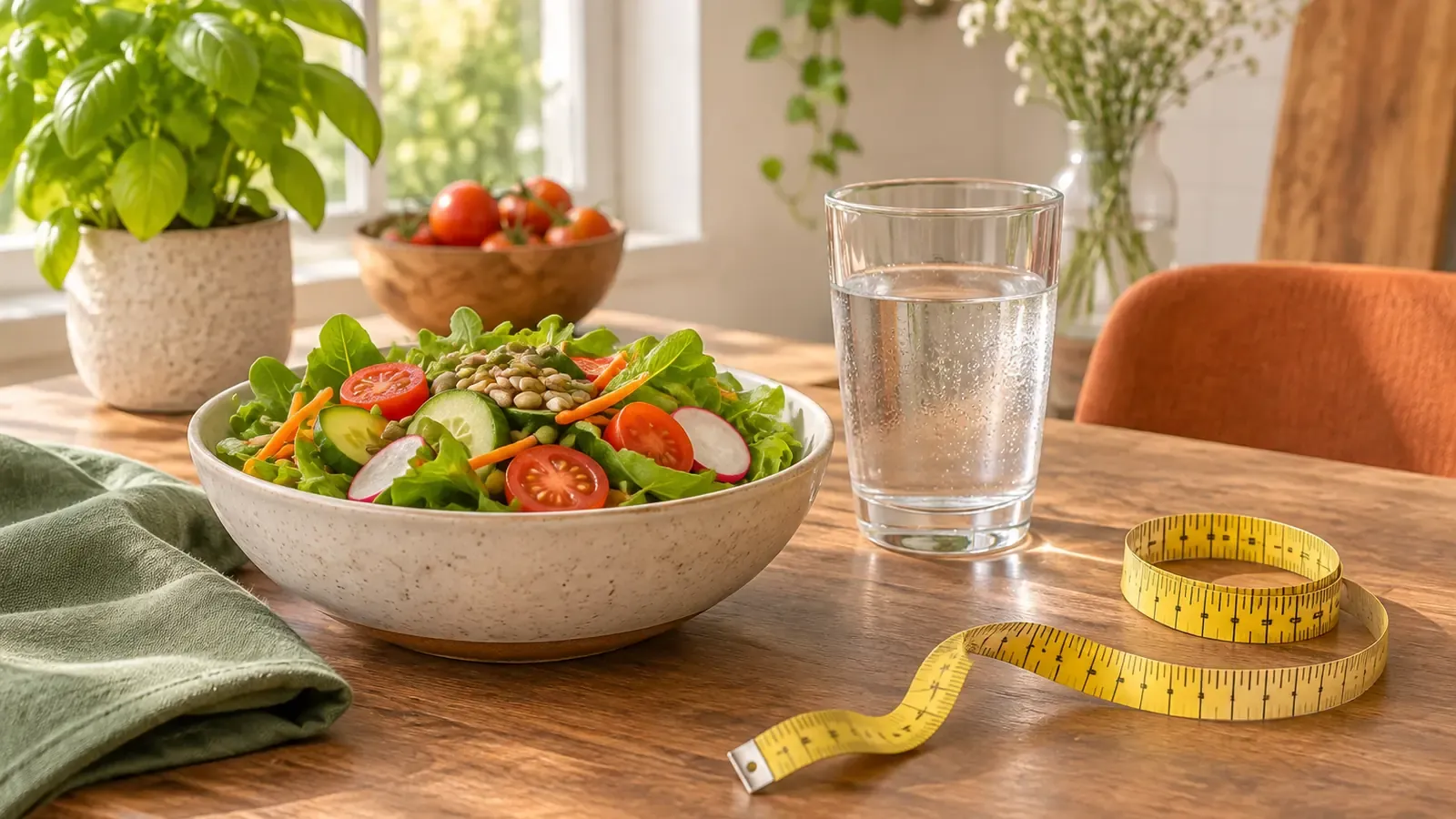
Vegetables are the classic filler with few calories. Broccoli, cauliflower, carrots, cucumbers, tomatoes, bell peppers, zucchini, and leafy greens add a lot of volume. Cooked, steamed, or raw, the key is that you actually eat them rather than treating them as a garnish. A vegetable-heavy soup or a large salad at the start of a meal is an easy way to add volume.
Legumes
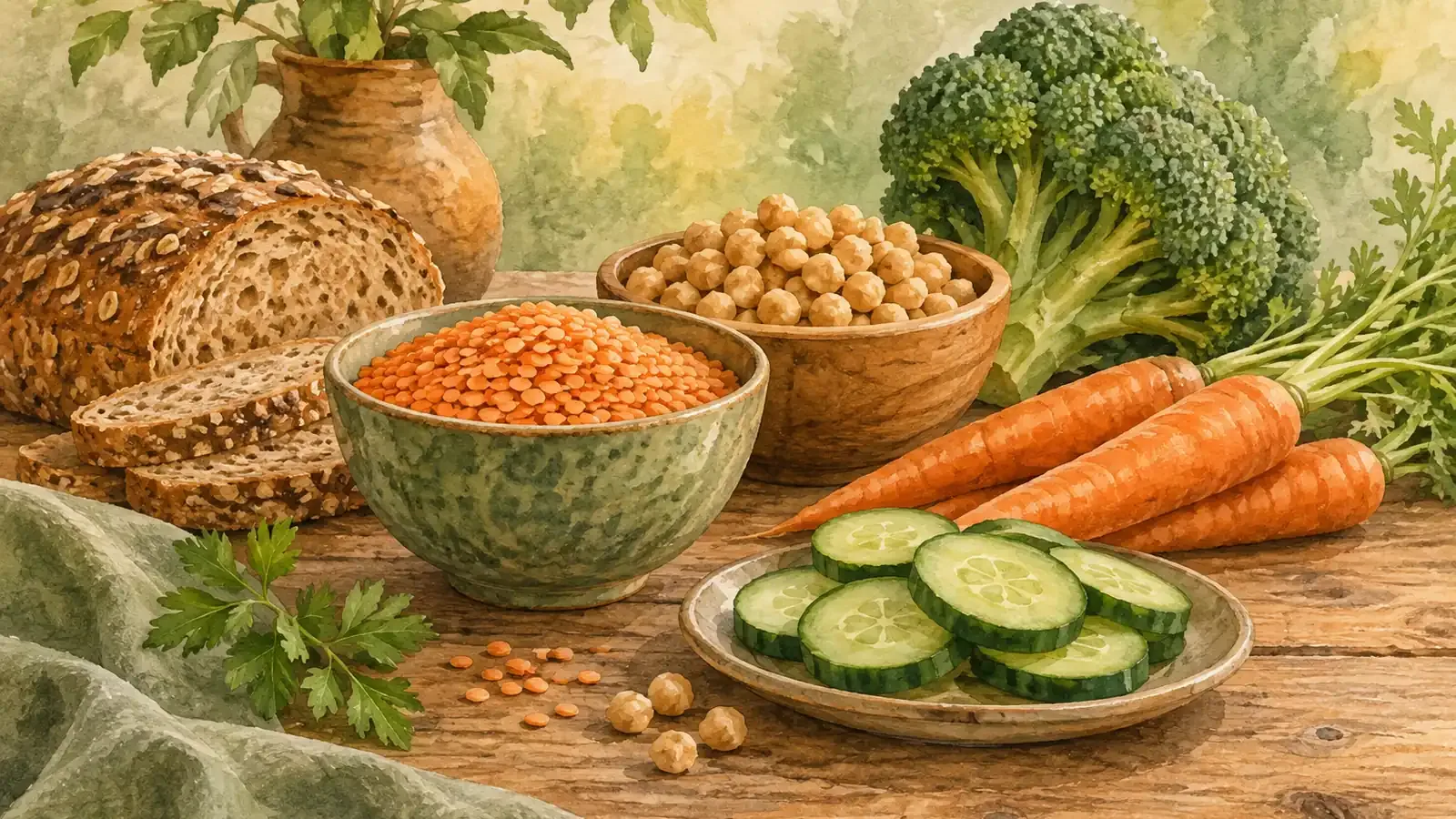
Lentils, chickpeas, white and red beans, and peas combine fiber with plant-based protein. Several review articles, including ones looking at intervention studies, suggest that eating legumes regularly may be associated with better fullness and a healthier body weight. Results aren’t equally strong in every study, so you’ll benefit most by making them a steady part of your routine.
Whole grains
Whole-grain oats, whole-wheat pasta, brown rice, and whole-grain bread contain the bran and germ of the grain, which means more fiber than their refined counterparts. They’re usually digested more slowly, which may support a steadier blood sugar curve. Keep in mind that whole grains aren’t automatically low in calories. Portion size still matters.
Potatoes and fruit
Boiled potatoes eaten with their skins can be quite filling. Fruit provides fiber and water. Berries and apples are good examples. Fruit juice, on the other hand, delivers the sugar without the fiber structure that makes whole fruit satisfying.
Are there myths about fullness that aren’t true?
A few claims keep circulating:
- “You have to avoid carbs to feel full.” That isn’t accurate. Quality and combination matter most. Whole grains paired with vegetables and protein often keep you full longer than white bread on its own.
- “Legumes always cause bad gas.” Many people tolerate them well when they increase their intake slowly and cook them thoroughly. Gas is common, but it isn’t a sign that legumes are harmful.
- “One superfood will keep you full.” There’s no magic ingredient. Fullness comes from the whole meal, not a single food.
How do you build filling meals in everyday life?
A simple rule of thumb can help: fill half your plate with vegetables or salad, a quarter with a starchy side in a whole-grain version or potatoes, and a quarter with a protein source such as legumes, fish, egg, tofu, or lean meat. This split follows common guidance for balanced eating and is fairly practical for most days.
Practical tips for your everyday routine
- Start with vegetables: Eat a serving of salad or raw veggies before your main dish. It’s a simple way to increase the volume of your meal.
- Mix lentils into familiar dishes: Add red lentils to tomato sauce, chili, or soup. They break down as they cook and blend in with little change in flavor.
- Choose oatmeal for breakfast: Oats with milk or yogurt, fruit, and a handful of nuts often keep you full longer than a white bagel.
- Introduce whole grains gradually: Start by mixing whole-wheat pasta with regular pasta. This lets your taste buds, and your digestive system, adjust to more fiber.
- Increase fiber slowly: Suddenly eating much more legumes can cause gas. Build up the amount over one to two weeks and drink plenty of water.
- Batch-cook soups and stews: A large pot of vegetable and lentil stew can cover several meals and saves time on busy days.
- Plan your snacks: Veggie sticks with hummus or an apple with a handful of nuts beat a snack that spikes your hunger and fades fast.
When should you talk to a doctor?
If you notice hunger, intense cravings, or weight changes that bother you, or if you take medication that affects blood sugar, talk with your primary care provider before making major changes to your diet. If digestive problems continue after you change how you eat, it’s also worth getting them checked.
Filling foods are a useful building block, but they don’t replace an overall balanced diet and regular physical activity. Focus on steps you can realistically keep up with day after day.
Key takeaways
- Filling foods have a lot of volume and fiber or protein, but relatively few calories per serving.
- Vegetables, legumes and whole grains are among the foods linked in studies to better fullness.
- The whole meal matters most: combining vegetables, protein and whole grains usually keeps you satisfied longer.
- Effects vary from person to person, and the research on individual foods is not always conclusive; what matters most is a pattern you can sustain.
- Small everyday steps, such as vegetables with every meal or lentils in soups, are more realistic than strict bans.
Frequently asked questions
Which foods keep you full the longest?
Vegetables, legumes, and whole grains are among the most filling foods. They provide plenty of fiber and often protein for relatively few calories. They work best when combined within the same meal.
Do legumes really make you feel full?
Legumes contain fiber and plant-based protein, both of which can contribute to fullness. Studies show a tendency in this direction, but the results aren’t equally strong in every study. Try them gradually to see how well you tolerate them.
Why do legumes give me gas?
Legumes contain certain sugars that bacteria in the large intestine ferment, producing gas. Tolerance often improves when you increase the amount slowly and cook them thoroughly. Ongoing discomfort is worth checking with a doctor.
Is eating more vegetables enough to lose weight?
More vegetables can help lower the energy density of your meals, and they’re usually a good building block. Whether you lose weight depends on your overall energy balance, though. Vegetables alone aren’t a magic solution; they work best as part of a balanced diet.