Taking a look in the toilet bowl is not anyone’s favorite habit, but it is worth doing. Your stool is a mirror of your digestion. What you eat, how much you drink, how much you move and even how stressed you are eventually shows up in its shape, color and how often you go. Many people only worry quietly when something seems off, and rarely ask anyone about it.
The good news first: most changes are harmless. A stool that is softer one day, or a bowel movement that comes a little less often for a week, usually says little about your health overall. It gets more interesting when something changes for good or shows up together with other symptoms.
In this article we look at what shape, color and frequency can tell you, which causes are usually behind them, and when it is time to see a doctor.
What does a normal stool look like?
“Poop” is not one single thing. For judging shape, doctors often use the Bristol Stool Scale, which sorts stool into seven types, from hard little lumps (Type 1) to watery liquid (Type 7). Types 3 and 4 are considered well formed: sausage-shaped, with a slightly cracked surface or smooth and soft. They pass without much strain.
How often you go is also very personal. Some people have a bowel movement several times a day, others only every two or three days, and both can be perfectly normal for them. What matters is what your own normal is, and whether that has changed.
What do shape and consistency tell you?
Hard and lumpy
Small, hard lumps that you have to work to pass usually point to not enough fluid, not enough fiber or not enough movement. When stool sits in the colon for longer, the body pulls more water out of it, and it becomes dry and firm. Constipation is generally defined as having fewer than three bowel movements a week over a longer period, or passing stool that is consistently painful or strained. An occasional rough patch is usually nothing to worry about, but ongoing constipation deserves a checkup.
Soft to watery
Diarrhea happens when food moves through the gut too quickly or the colon does not absorb enough water. Common triggers include viral or bacterial infections, food intolerances, medications, or simply too much coffee in one day. If diarrhea lasts longer than two or three days, or comes with fever, feeling very sick or signs of dehydration, get it checked by a doctor.
Mucus and greasy shine
A little mucus in stool is normal. Your colon makes it all the time to help stool slide along. It becomes a concern when there is a lot of it or it comes with pain. Shiny, greasy stool that is hard to flush and smells strongly may point to poor fat digestion. That is no reason to panic, but it is a good reason to bring it up with your doctor.
What do the colors mean?
The typical brown color comes from bilirubin, a pigment your liver sends out through bile, along with breakdown products made by gut bacteria. Color shifts quite a bit with diet, and some foods change it in plain view.
- Green can follow a lot of leafy greens, spinach or a green smoothie, or stool that has moved through the gut quickly. Usually harmless.
- Red can come from beets or tomato-based foods. Fresh red blood in the stool, on the other hand, is a warning sign. More on that below.
- Pale to clay-colored and greasy-looking stool that sticks around is a reason for a medical evaluation, since the bile ducts or pancreas may be involved.
- Black can come from iron supplements or blueberries. Tarry, sticky black stool, however, can point to bleeding in the upper digestive tract and needs medical attention right away.
If you are unsure, ask yourself a simple question: did you eat anything unusual in the past few days? If so, and the color returns to normal within a day or two, it is usually nothing to worry about.
Why blood in the stool should be taken seriously
Fresh, bright red blood on the toilet paper or in the stool is one of the most important warning signs from the digestive tract. The most common cause is something harmless around the anus, such as hemorrhoids or a small tear in the lining of the anal canal. Even so, the cause should always be checked, because bleeding can also come from polyps or a tumor in the colon. Colorectal cancer is one of the most common cancers in the US, and when it is found early, it is very treatable.
That is exactly why stool testing exists. A fecal immunochemical test (FIT) checks for hidden blood and is part of routine screening, and colonoscopy can both look inside the colon and remove polyps before they turn into cancer. Screening guidelines have shifted over the years, so check with your insurer or your doctor about what applies to you. The American Cancer Society and the National Cancer Institute both publish clear, easy-to-read information on screening.
What you can do day to day for a healthy stool
Many digestive complaints improve with simple habits. You do not need to overhaul your life to get there.
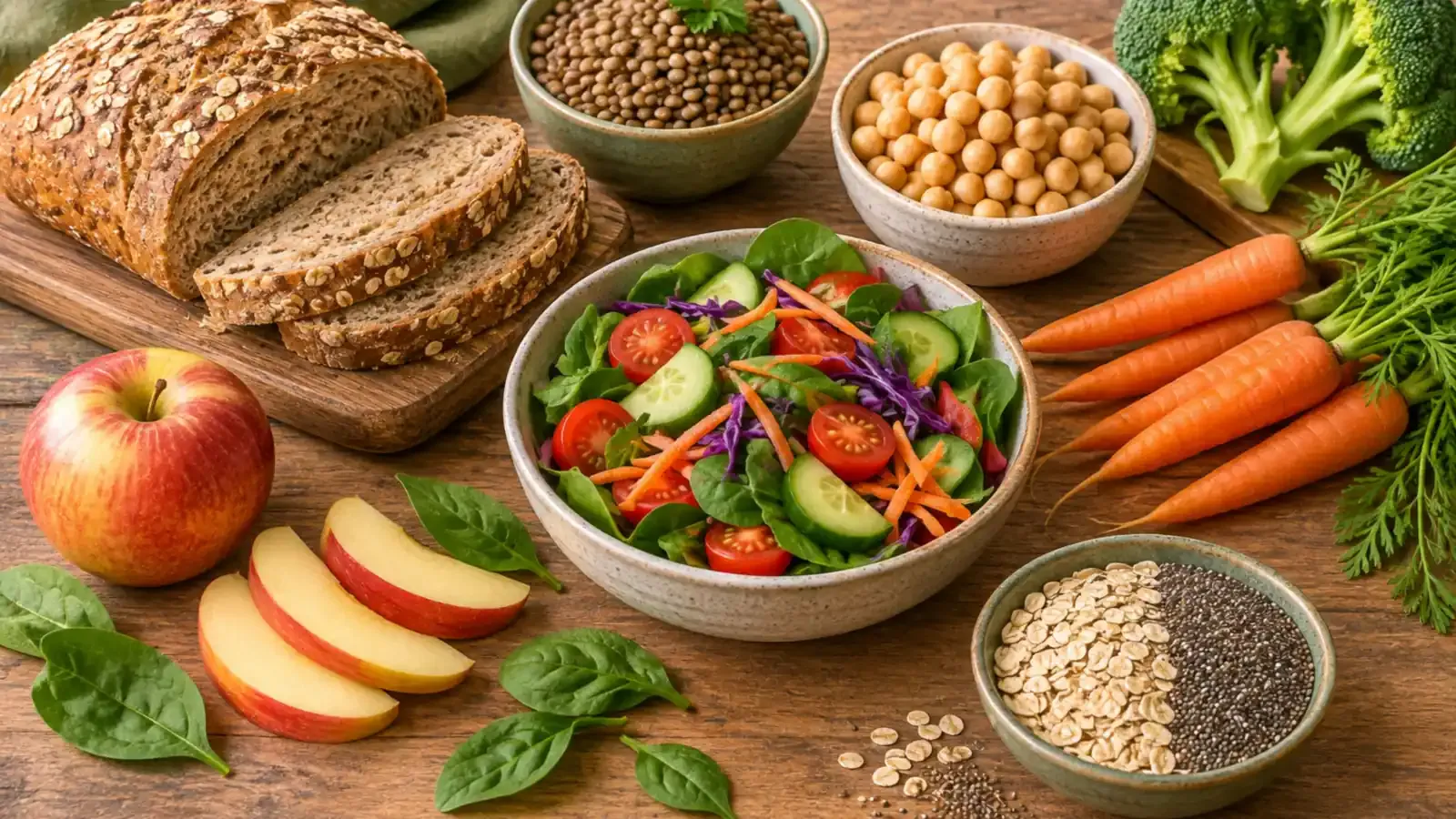
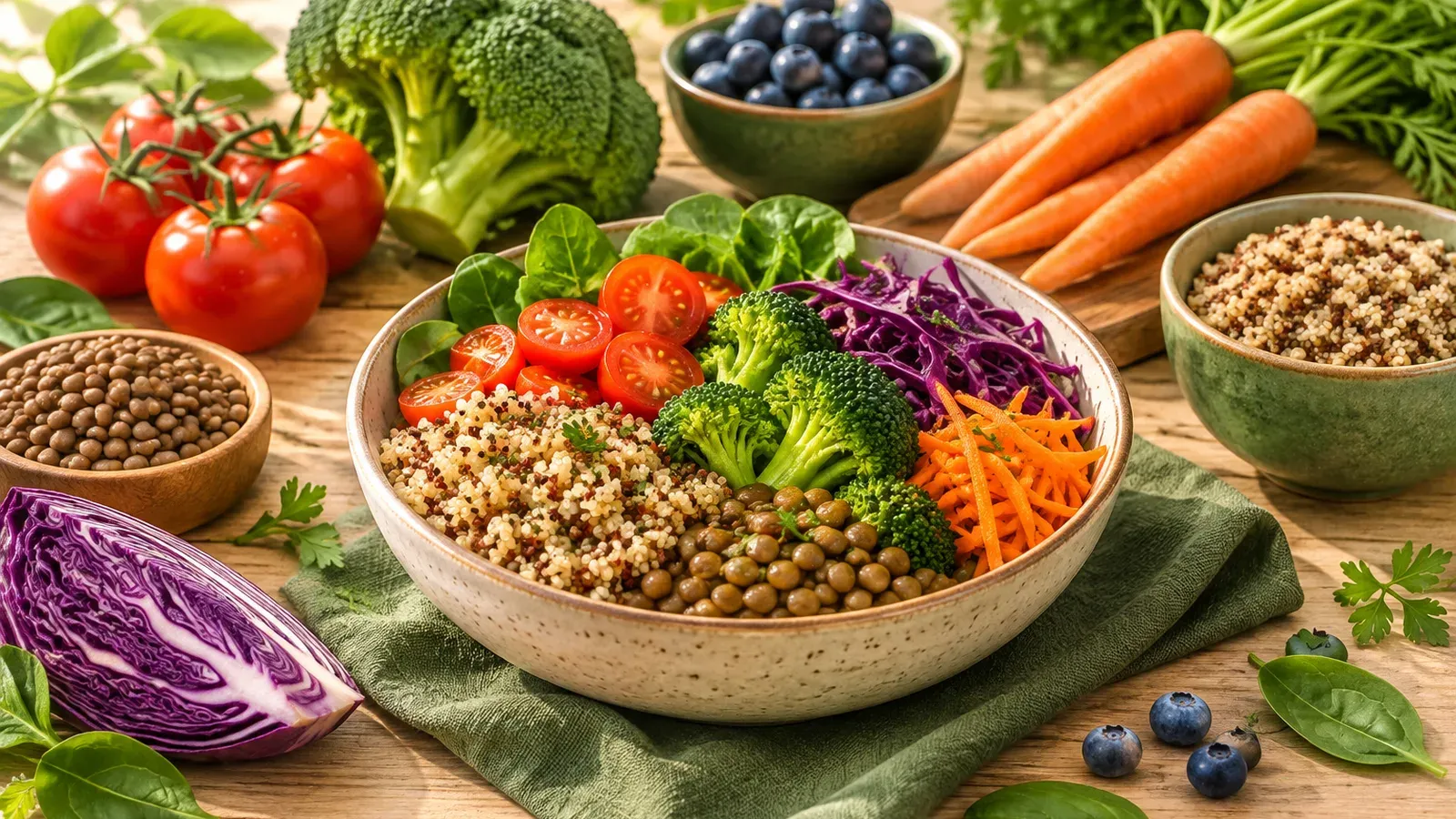
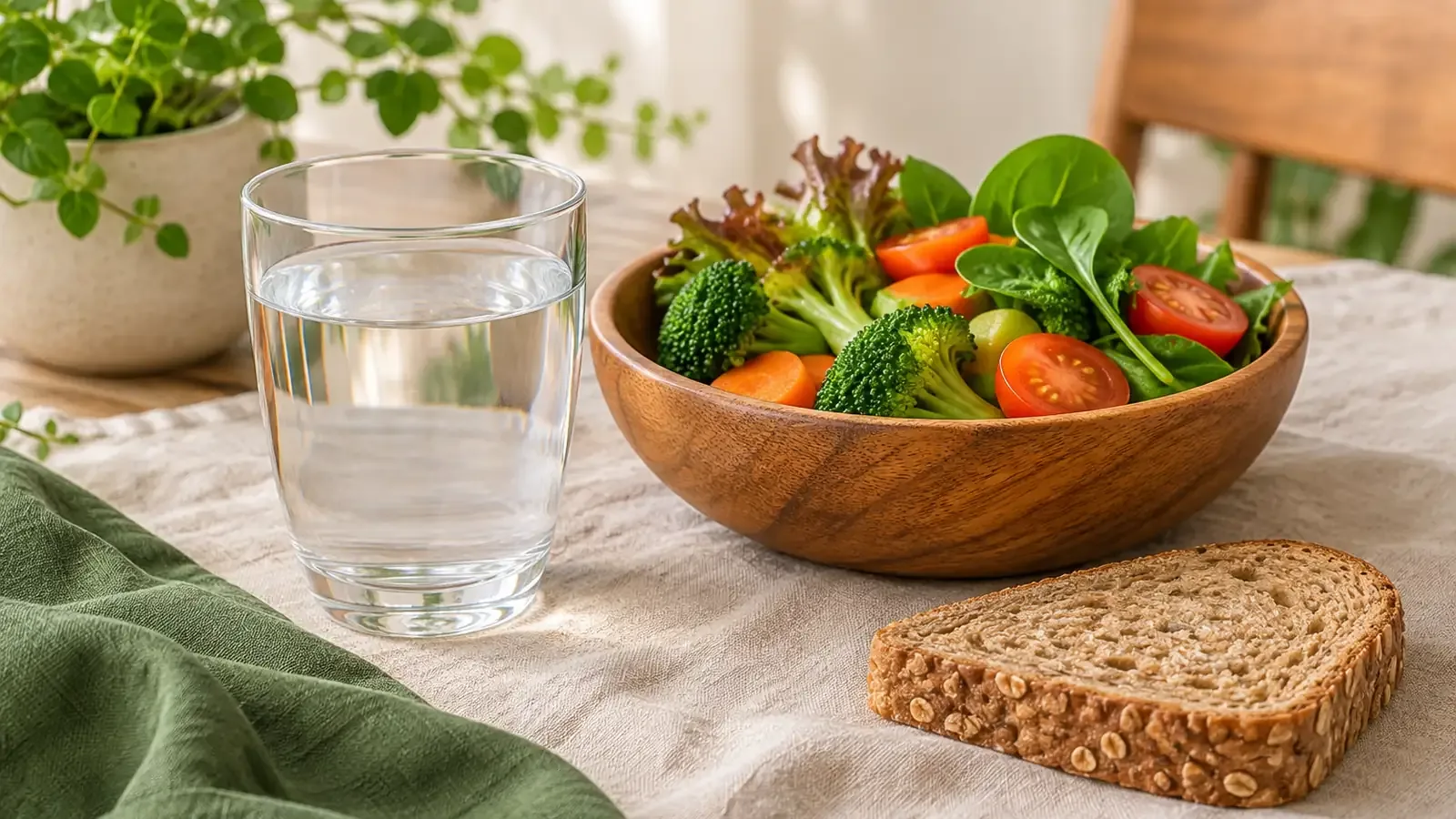
- Build up fiber gradually. Beans, lentils, whole grains, fruit and vegetables all provide it. If you suddenly eat a lot more, you are more likely to get gas and bloating, so go slowly.
- Drink enough fluids. How much is right depends on your age, climate and activity level. Your urine gives a rough guide: pale yellow to clear usually means you are getting enough.
- Move your body. A walk after a meal gets the gut going. Regular, moderate exercise helps many people with constipation.
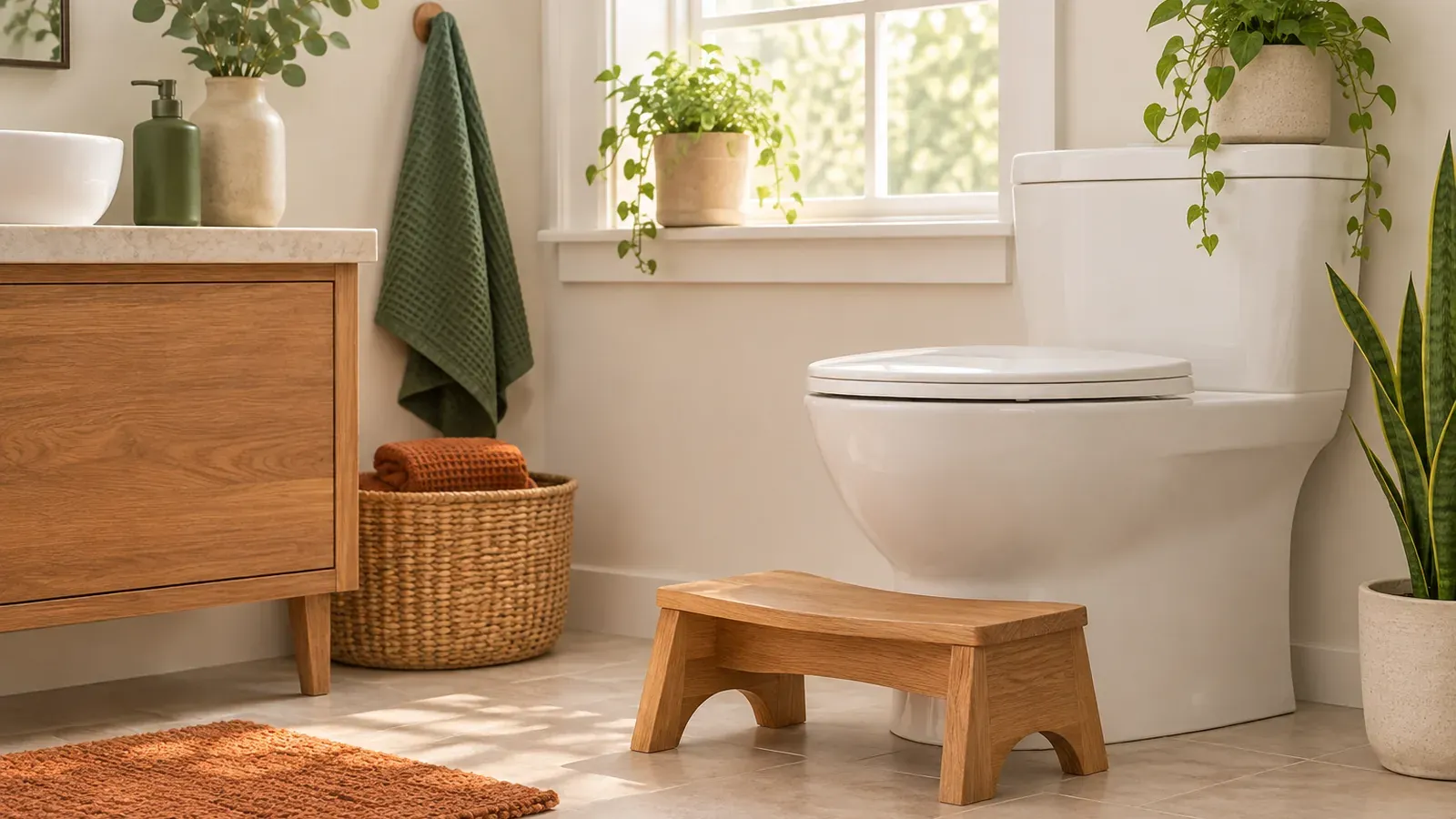
- Don’t ignore the urge. If you regularly hold it in, your bowel can get used to the delay. A relaxed, not overly long trip to the toilet is perfectly fine.
- Keep an eye on changes. A simple notebook with dates, shape and anything unusual helps you and your doctor sort things out.
When to see a doctor
Get medical advice if you notice blood in your stool, if your stool is consistently black and tarry or pale and greasy, if diarrhea or constipation lasts more than a few weeks, or if your habits have clearly changed. The same goes for unintended weight loss, belly pain that is not getting better, or waking up at night with the urge to go. If you have severe belly pain with vomiting, dizziness, fainting or large amounts of blood, call 911 right away.
If you have questions about your stool, your primary care doctor is the best first stop. They can tell you what needs to be checked.
Good to know: Many people find it awkward to talk about bowel movements. Still, doctors ask about them as a matter of routine. The more clearly you can describe what you notice, the easier it is to help you.
Key takeaways
- The shape, color and frequency of your stool give a rough hint about how well your digestive system is working, but they cannot diagnose anything on their own.
- Most changes have harmless causes such as food, fluids, too little movement or a short-term stomach bug.
- Lasting changes, blood in the stool, unintended weight loss or ongoing pain are reasons to see a doctor.
- Stool plays a real role in colorectal cancer screening: a fecal occult blood test is part of the standard screening offered to adults starting at age 45 in the US.
Frequently asked questions
Is it normal to only have a bowel movement every two or three days?
It can be completely normal for some people, as long as the stool is soft, passes without pain and your rhythm has not changed. Your own normal is what counts. If your pattern suddenly shifts or you have to strain hard, it is worth a checkup.
Why is my stool sometimes green?
Green stool often comes from a lot of leafy vegetables or foods with green coloring. A fast trip through the gut can also do it. If the color does not go away or comes with other symptoms, mention it to your doctor.
Do I need the emergency room if I see blood in my stool?
Not every trace of blood is an emergency, but it should be checked within a few days. For large amounts of blood, dizziness, fainting or severe belly pain, call 911 right away. For a small amount and otherwise feeling fine, a visit to your primary care doctor usually works.
Can stress change my bowel movements?
Yes. The connection between the gut and the brain is well studied, and stress can change how fast the gut moves and how sensitive it feels. Many people notice loose stools before a big exam or job interview. Ongoing changes should still be checked medically before you blame stress alone.